The ocean covers 71% of our planet, yet only about 5% has been studied closely. Millions of species are still waiting to be discovered. Grab your mask β we're diving all the way to the bottom.
We have mapped the surfaces of the Moon and Mars in detail β but the ocean is a far bigger challenge. Scientists have named about 240,000 ocean species, yet at least 2.2 million (maybe even 100 million!) are still unknown.
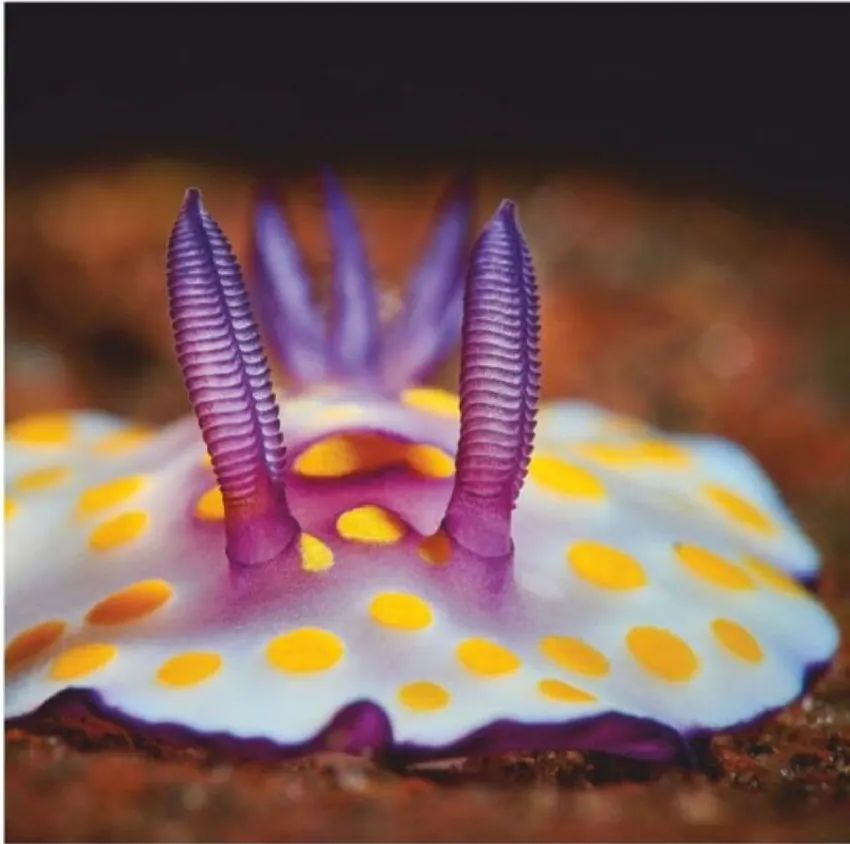
Down there live anglerfish with glowing lures, goblin sharks with slingshot jaws, sea cucumbers that shoot out their own organs, and sea slugs that look like tiny bunnies.
The sea floor also hides human history: ancient cities, treasure galleons and a 2,000-year-old computer. Ready? Let's go.
From the sunny surface to 10,927 m below π«§
From sunny reefs to boiling deep-sea chimneys, every habitat tells its own story. Tap a card to learn its secrets.
The quirky, the spooky and the downright unimaginable. Tap a card to flip it and see its stats.
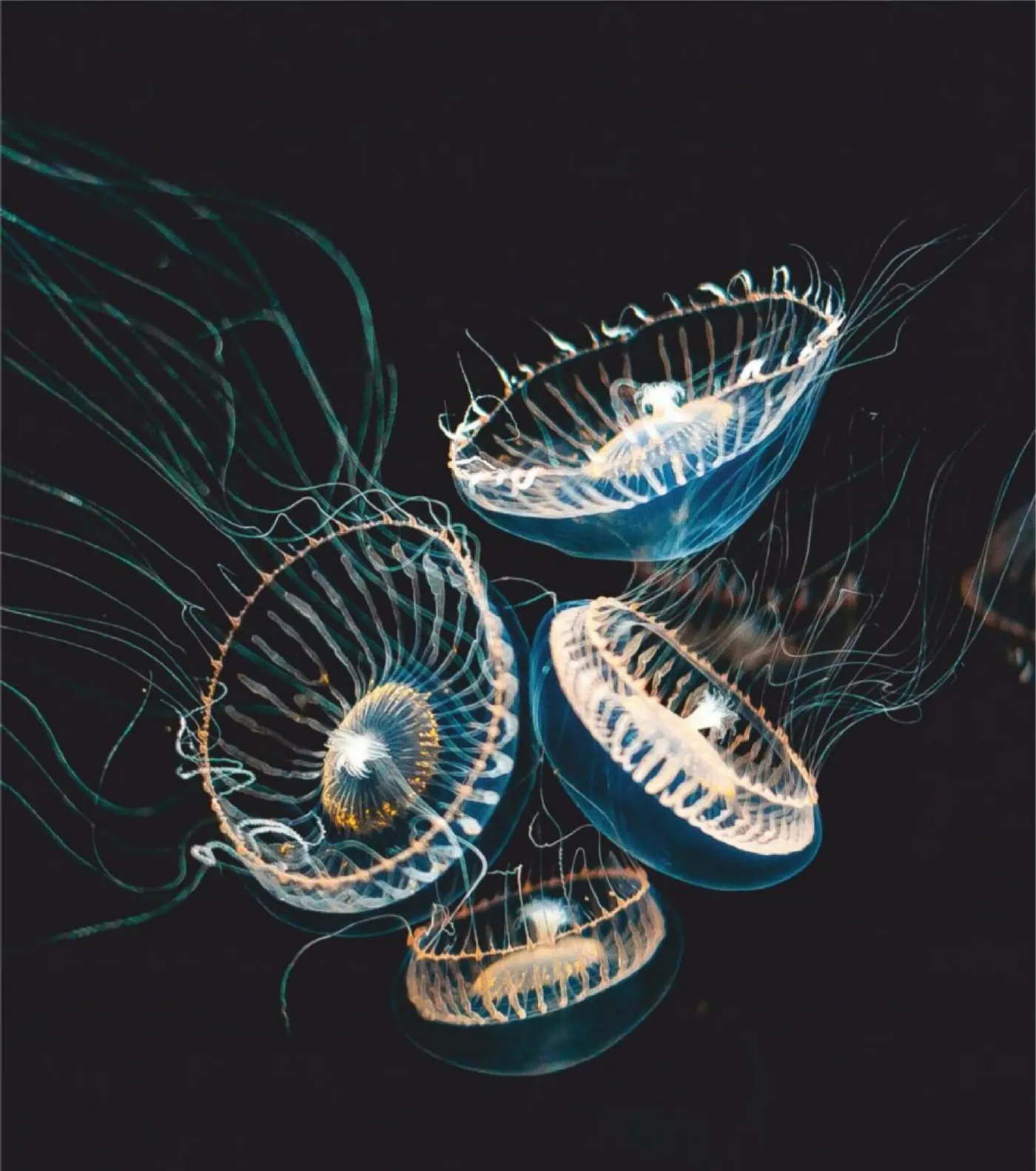
Jellyfish have no brain, no heart and no bones β yet they have drifted through Earth's oceans for millions of years. Here are four of the strangest.
Looks like a sunny-side-up egg! Roams the Mediterranean and Aegean Seas, up to 35 cm across.
A floating flower from the Pacific off Japan and Korea, about 15 cm wide.
The largest known jellyfish. Its bell can reach about 7 feet across in cold Arctic and North Atlantic waters.
Lounges upside down on the shallow seafloor of the Caribbean and Australia.
A real map of Earth's oceans. Find biodiversity hotspots, the deepest trench, sunken cities, treasure shipwrecks and where famous creatures live. Drag to pan, use + / β to zoom, and tap a pin.
Share these with your friends β they won't believe you!
Big questions students ask about the deep, answered simply.
Pick a level. Answer before your oxygen runs out β streaks earn bonus points!
The ocean is a time capsule. Scroll through sunken cities and shipwrecks, oldest first.
Explorers must respect the deep β careful design and safety checks save lives.
How humans and robots reach places no light has touched.
Four ways to make sure our explorations "leave only bubbles".